
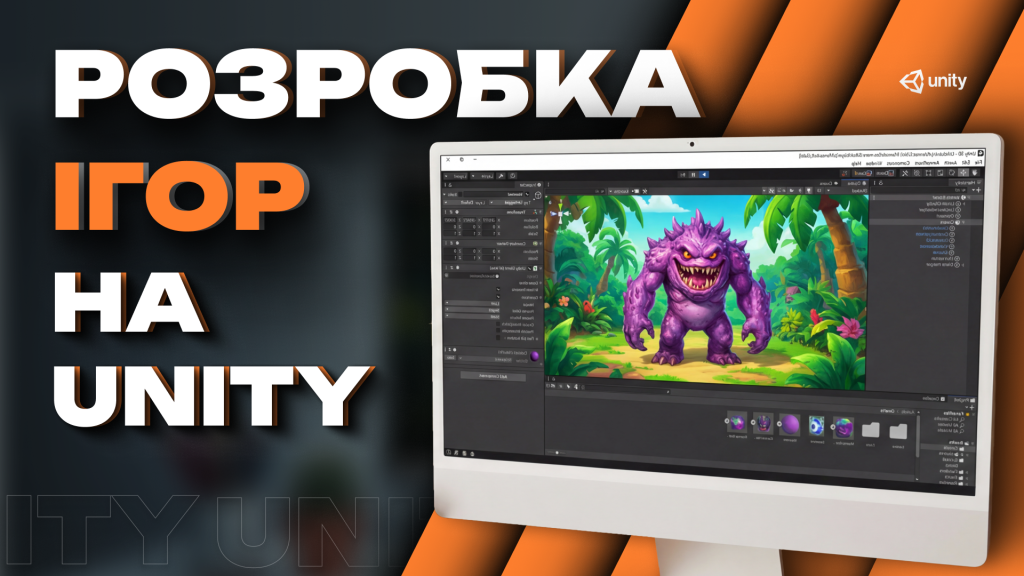
Game development in Unity has become one of the most accessible entry points into the gaming industry. Whether you are an aspiring indie creator, a student, or someone exploring development as a career change, Unity provides the tools needed for professional production. From small prototypes to commercial releases, the process of creating a game in Unity can evolve into a long-term career path.
But becoming a Unity game developer is not only about building projects. In today’s digital environment, it is also important to present your work professionally. Knowing how to create a game website allows you to showcase your portfolio, publish updates, and connect with players or potential employers.
How to Start Creating a Game in Unity
The first step toward becoming a Unity game developer is understanding the engine’s core structure. Unity uses a component-based system where GameObjects are enhanced by scripts, physics elements, audio sources, and other components. Learning how these elements interact is fundamental to successful development.
When starting game creation in Unity, focus on small and achievable goals. Instead of building a massive open-world project, begin with a simple 2D platformer or a basic 3D scene. This approach helps you understand scripting, scene management, and asset integration without feeling overwhelmed.
To build a strong foundation, concentrate on:
- C# basics: Variables, conditions, loops, and object-oriented principles.
- Scene organization: Clean hierarchy structure and reusable prefabs.
- Performance optimization: Efficient scripts and optimized assets.
- User interface design: Clear menus, buttons, and feedback systems.
For those interested in development for younger audiences, game development for children requires special attention to simplicity, clarity, and accessibility. Controls must be intuitive, visual elements should be friendly and readable, and gameplay systems should avoid unnecessary complexity.
Becoming a Professional Unity Game Developer
To transition from beginner to professional Unity game developer, consistency is essential. Completing small projects builds practical experience and strengthens your portfolio. Each finished game demonstrates your ability to manage the full development cycle — from concept and prototyping to testing and release.
In addition to technical skills, understanding design principles is equally important. A strong developer combines programming with gameplay balance, visual composition, and user experience thinking. This multidisciplinary mindset is highly valued in the industry.
Collaboration also plays a major role. Many successful developers work in teams with artists, sound designers, and marketers. Communication skills and version control knowledge are key components of professional growth.
How to Create Your Own Game Website
Once you complete a project, the next logical step is to create a game website. A dedicated site helps you present trailers, screenshots, development blogs, and download links in a structured way. It also strengthens your personal or studio brand.
When building a website for your game, consider including:
- Project description: Clear explanation of genre, mechanics, and features.
- Media section: Screenshots, gameplay videos, and concept art.
- Developer information: Background and development story.
- Contact and social links: Easy ways for players or partners to reach you.
You can build a website using simple website builders or custom HTML templates. The key is clarity and professionalism. Even a minimalist site can effectively present your Unity game creation if the structure is clean and the content is informative.
Long-Term Growth in Unity Development
Game development in Unity is a continuous learning process. The engine evolves, new tools are introduced, and player expectations change. Staying updated with industry trends, optimization techniques, and platform requirements ensures long-term success.
For developers working on projects aimed at younger audiences, game development for children remains a promising niche. Educational and family-friendly titles continue to grow in popularity, creating opportunities for specialized developers.
Ultimately, becoming a Unity game developer requires dedication, structured practice, and creative curiosity. By mastering the fundamentals of creating a game in Unity and learning how to create a game website to present your work, you build both technical expertise and professional visibility. With persistence and continuous improvement, your development journey can transform into a sustainable and rewarding career.