
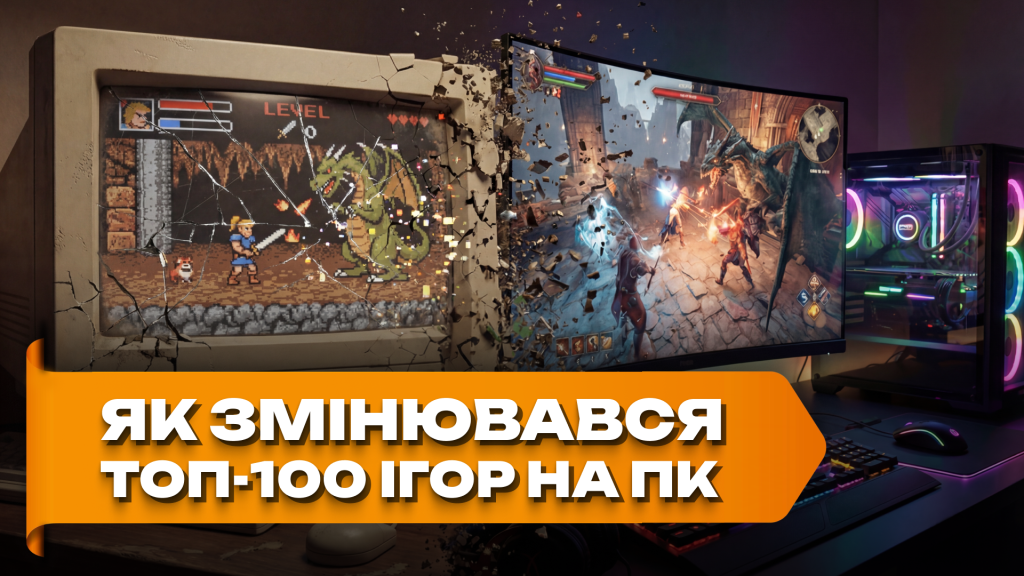
The Top 100 games on PC has always reflected more than just player preferences. It mirrors technological progress, changing business models, creative risks, and the overall direction of game development. By analyzing how the top 100 games on PC evolved over the past decades, we can better understand the transformation of the gaming market and the deeper trends shaping the industry today.
From early single-player classics to massive online ecosystems, the ranking of the most influential titles demonstrates how game creation methods, audience expectations, and monetization systems have shifted. Each generation of developers contributed to redefining what success means in interactive entertainment.
From Classic Design to Live-Service Dominance
In the early 2000s, the top 100 games on PC were largely dominated by single-player experiences, strategy titles, and story-driven role-playing games. Technical limitations required efficient development processes, and game creation focused heavily on gameplay mechanics rather than cinematic presentation.
As hardware improved, developers gained access to powerful engines, advanced graphics, and online infrastructure. This directly influenced game development strategies. Multiplayer shooters, competitive online arenas, and persistent online worlds began to occupy more positions in the rankings.
Another noticeable shift was the rise of live-service models. Instead of launching a finished product and moving on, studios started supporting games for years with updates, expansions, and seasonal content. This approach significantly changed both development cycles and business models.
Indie studios also entered the top 100 lists, proving that innovation and strong design can compete with large budgets. Digital distribution platforms lowered entry barriers, allowing smaller teams to participate in global competition. As a result, the diversity of genres and artistic styles increased dramatically.
What Industry Trends Reveal About Modern Game Development
Tracking changes in the top 100 games on PC also highlights how news of the game industry increasingly focuses on technology, community engagement, and monetization strategies. Modern development is no longer limited to coding and asset production — it involves data analytics, player retention systems, and long-term content planning.
Several major trends define today’s rankings:
- Cross-platform ecosystems: Games are designed to connect PC players with console and mobile audiences.
- Player-driven content: Modding tools and community creations extend a game’s lifecycle.
- Frequent updates: Continuous patches and seasonal events maintain player interest.
- Advanced engines: Modern tools accelerate creation processes while enabling higher visual fidelity.
- Global markets: Development strategies now consider worldwide audiences from the earliest stages.
Game development today requires multidisciplinary collaboration. Designers, programmers, artists, marketers, and analysts work together to ensure that a project can compete at the highest level. The complexity of modern pipelines reflects the increasing expectations of players and investors.
At the same time, the core principle remains unchanged: strong gameplay and creative vision are essential. Even with advanced technology, games that fail to engage players rarely maintain long-term success. The evolution of the top 100 games on PC clearly demonstrates that innovation must be balanced with quality execution.
Ultimately, the transformation of these rankings tells a broader story about the growth of interactive entertainment. The industry has matured into a global ecosystem driven by technological progress, creative experimentation, and community participation. Observing how the top 100 games on PC changes over time offers valuable insight into the future direction of game creation and the ongoing evolution of the gaming world.